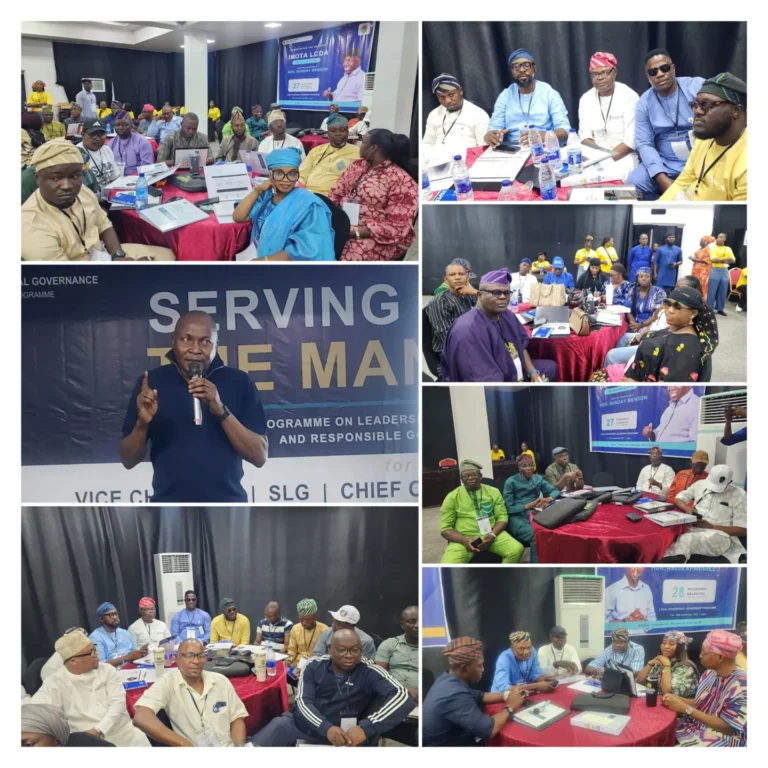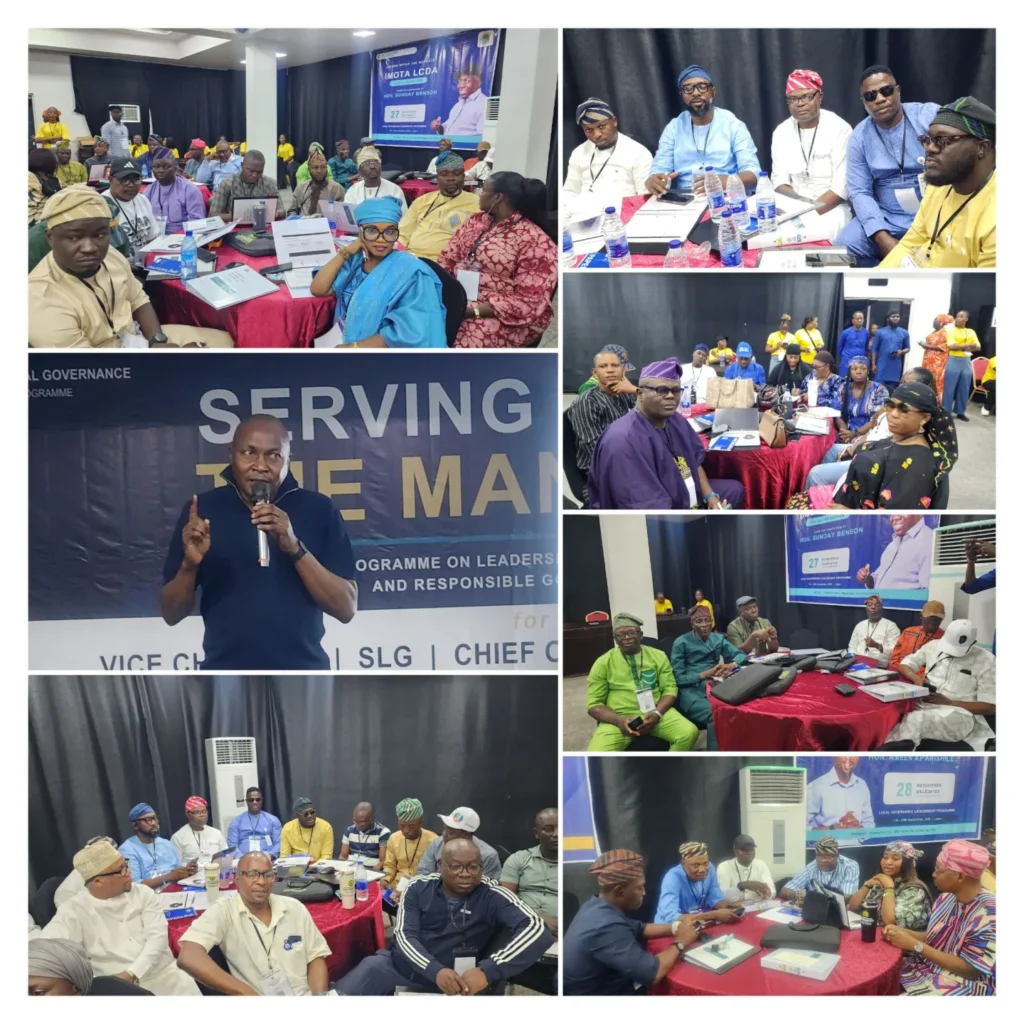
The Lagos Governance Leadership Programme, themed “Serving with the Mandate,” continued with its second-day session, focusing on practical approaches to leadership, decision-making, conflict resolution, team building and preparing for life after public office.
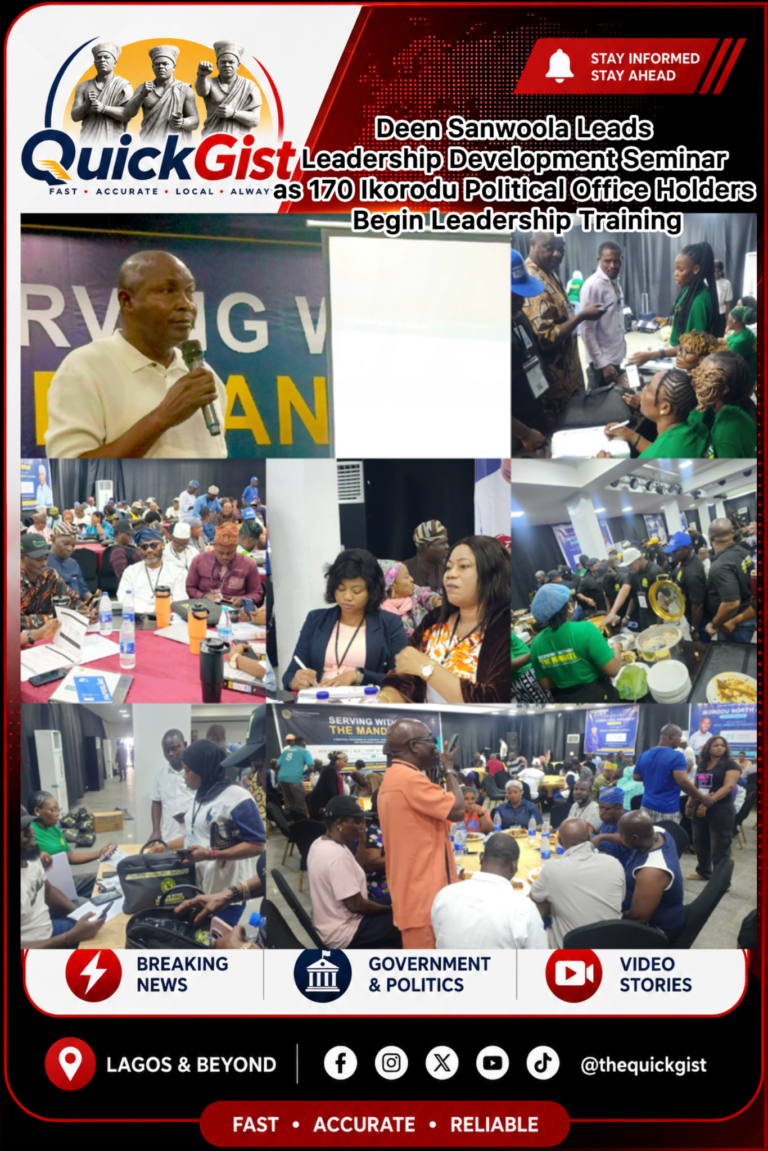
The session featured the Director-General of iCARE Foundation, Mayor Deen Sanwoola, as guest lecturer. He used practical scenarios and leadership experiences to engage participants on the realities and responsibilities of public leadership.
Sanwoola Uses “Kunming Crossroads” to Illustrate Leadership Challenges
Sanwoola’s presentation, titled “The Kunming Crossroads: A Case Study in Transformational Leadership,” examined how leaders respond when faced with difficult situations and how their decisions can influence trust, unity and the effectiveness of a team.
Using a scenario involving a diverse group of professionals confronted with a challenging situation after one member failed to return to an agreed meeting point at the expected time, he demonstrated how uncertainty and pressure can quickly lead to anxiety, disagreement and division.
He used the case study to emphasise the importance of clear communication, empathy, conflict management and thoughtful decision-making in leadership.
According to Sanwoola, leadership goes beyond enforcing rules or pursuing immediate results, as leaders must also understand the people they lead and make decisions capable of preserving trust and a shared sense of purpose.
Focus on Life After Public Office
Another key area of the presentation was the relationship between transitional and transformational leadership.
Sanwoola reminded participants that public office is temporary and encouraged them to begin preparing early for the period after their tenure.
He said leaving an official position should not bring an end to an individual’s contribution to society, but could provide an opportunity to pursue other forms of service, mentorship, professional growth and community development.
He encouraged participants to invest in personal skills, maintain meaningful relationships, exercise financial discipline and develop identities and capacities that extend beyond their current political positions.
Emphasis on Succession and Mentorship
The session also addressed the importance of preparing others to take up leadership responsibilities.
Sanwoola encouraged political leaders to mentor emerging leaders, create opportunities for others to grow and contribute to building institutions that can remain effective beyond the tenure of individual office holders.
He stressed that leadership impact should not only be measured by what an office holder accomplishes during their time in government, but also by the people they empower, the institutions they strengthen and the leaders they help prepare for the future.
The Day 2 session reinforced the central message of the programme: public office comes with a temporary mandate, but the impact of responsible leadership can extend beyond a tenure.
Through practical case studies and interactive discussions, participants were further exposed to approaches for managing leadership pressures, strengthening teamwork, resolving conflicts and making decisions while keeping their responsibilities to the people in focus.
About the Author