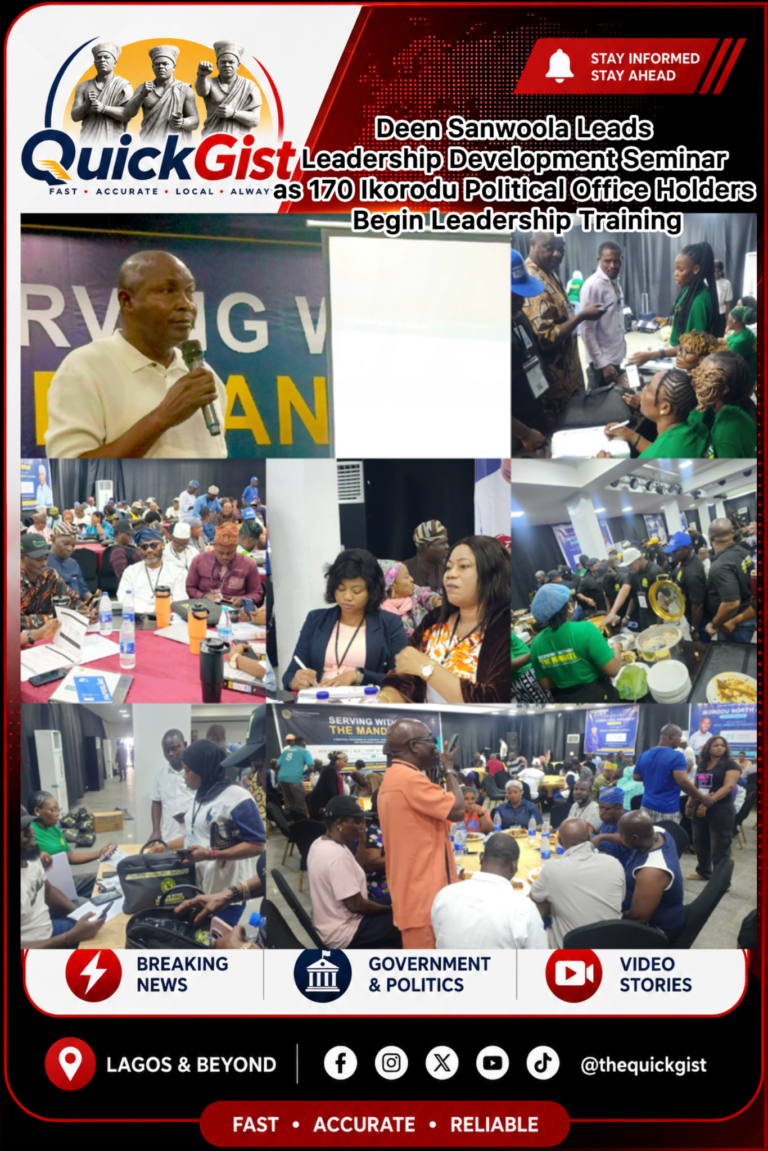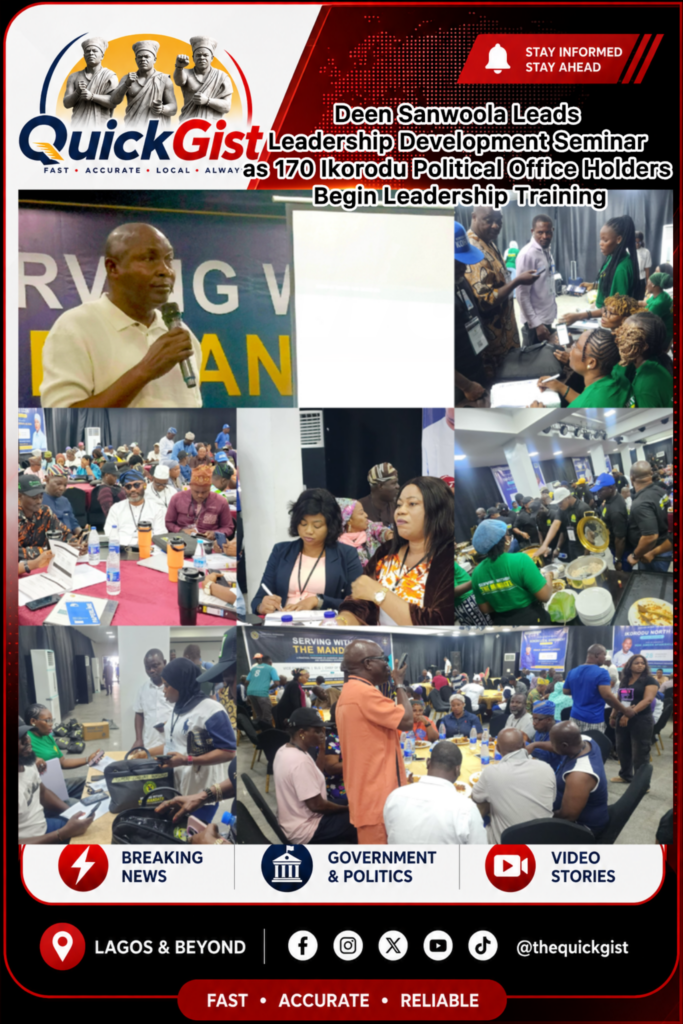
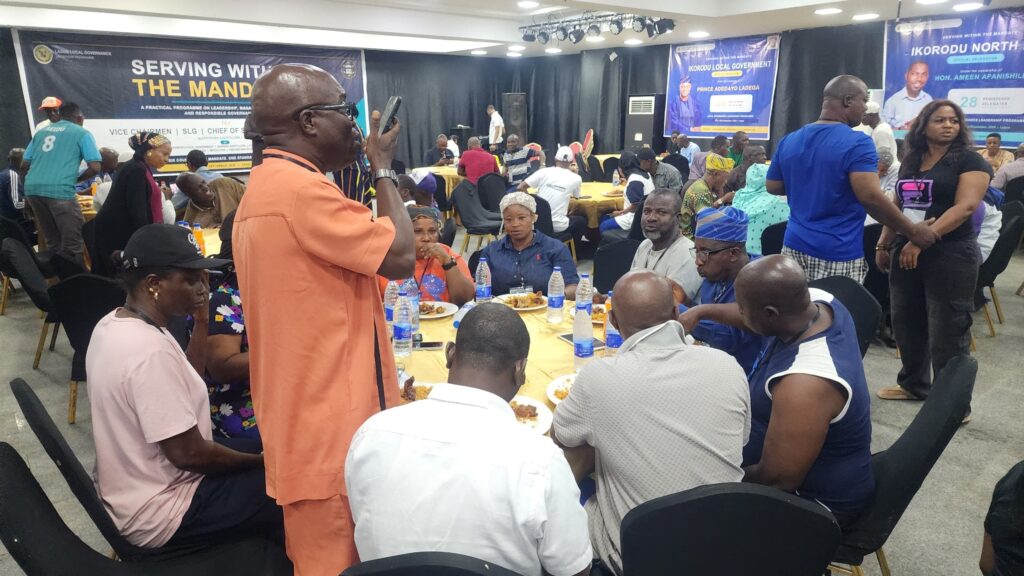
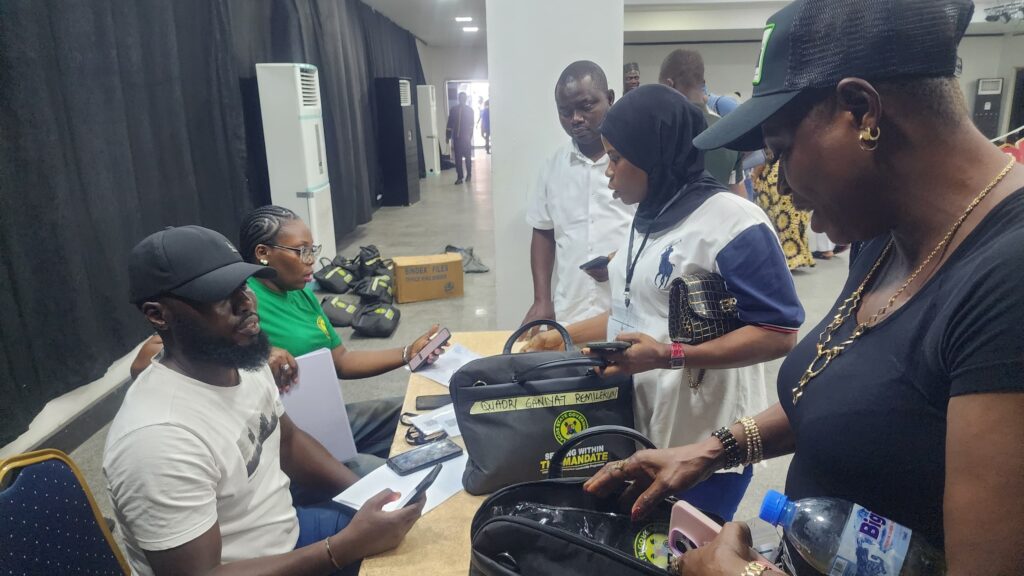
A leadership development seminar has brought together 170 political office holders from the six councils in Ikorodu Division, with the training focused on effective representation, responsible leadership and improved service to residents.
Participants at the programme include Vice Chairmen, Councillors, Secretaries to Local Governments, Chiefs of Staff, Supervisors and Special Advisers from Ikorodu Local Government, Igbogbo/Bayeku LCDA, Ijede LCDA, Ikorodu West LCDA, Ikorodu North LCDA and Imota LCDA.
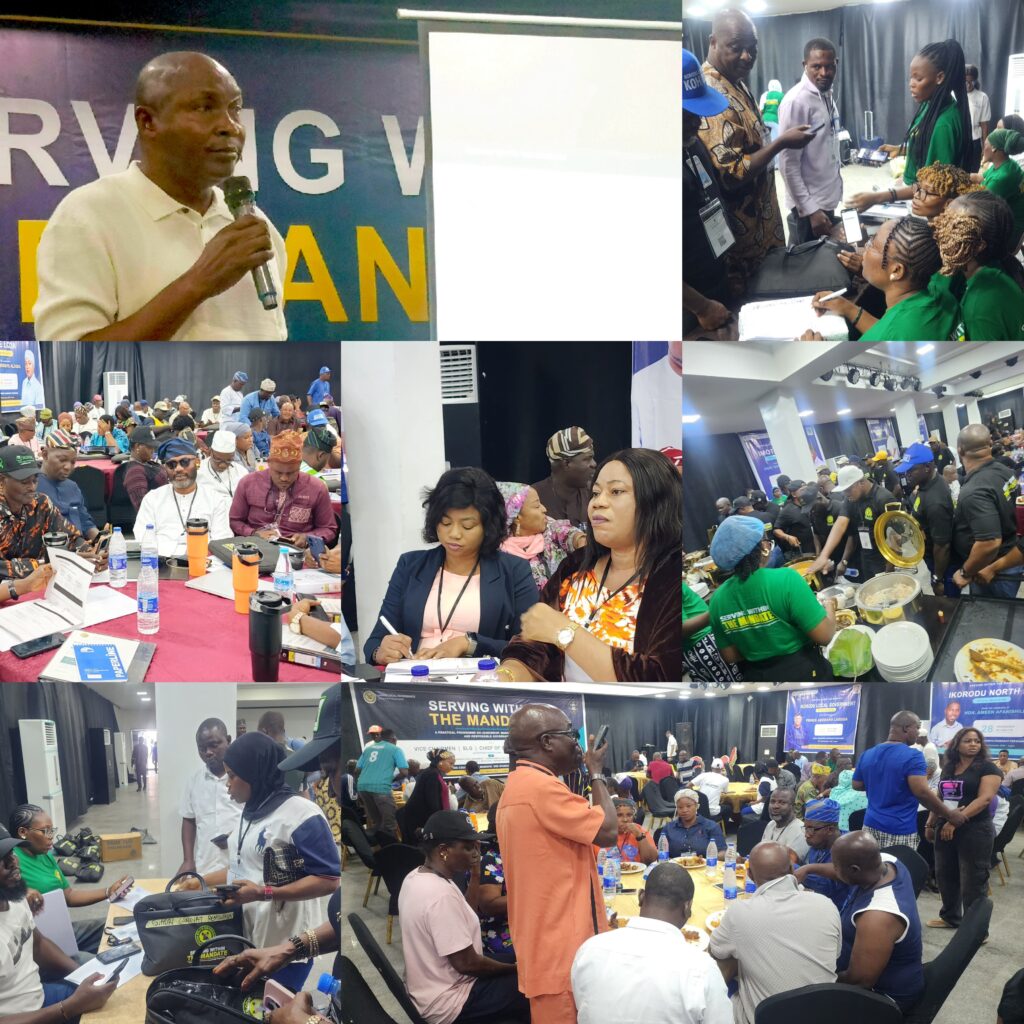
Tagged “Serving Within Mandate,” the seminar is designed to provide participants with practical knowledge on leadership, governance, institutional responsibilities, managing expectations and effective service delivery.
Sanwoola Speaks on Financial Discipline
The Director-General of iCARE Foundation and lead facilitator, Mayor Deen Sanwoola, commended the six council chairmen for supporting the training and investing in the development of their political appointees.
He acknowledged Prince Adedayo Ladega, Omo’ba Hammed Olalekan Aroyewun, Hon. Motunrayo Gbadebo-Alogba, Hon. Sulaimon Kazeem Olanrewaju, Hon. Ameen Apanishile and Hon. Sunday Ayodele Benson for backing the initiative in their respective councils.
During his session, Sanwoola focused on personal financial management and the need for political office holders to establish healthy boundaries when responding to financial demands from different quarters.
He noted that public officials often contend with requests from relatives, friends, constituents, political associates and community members, making financial planning an important part of managing public responsibilities.
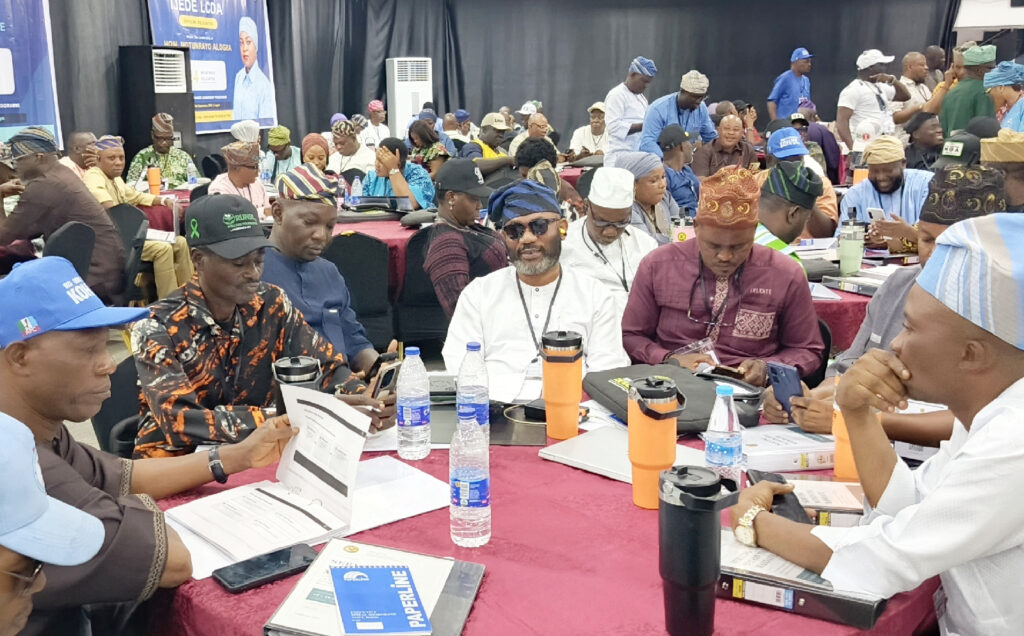
Using the expression “one salary, many expectations,” he explained how uncontrolled financial commitments could place pressure on office holders and affect their ability to meet legitimate personal and family obligations.
Sanwoola advised participants to properly assess requests before committing their resources. He encouraged them to consider existing debts, repayment obligations, emergency savings, family responsibilities and other planned expenses before making financial commitments.
He also advised political office holders to establish clear personal support boundaries and carefully manage their resources and relationships.
Participants subsequently engaged him in a question-and-answer session, seeking practical guidance on some of the leadership and financial challenges associated with public office.
Akinyemi Addresses Governance and Institutional Roles
Another major session was facilitated by Omo’ba Peju Akinyemi, who spoke on the Renewed Hope Agenda of President Bola Ahmed Tinubu and its relevance to grassroots administration.
Akinyemi urged the participants to approach their positions as responsibilities to the people rather than simply political appointments.
He emphasised the importance of public officials demonstrating accountability, responsiveness and effective communication in their dealings with constituents.
A major part of his presentation centred on the respective responsibilities of the executive and legislative arms at the local government level.
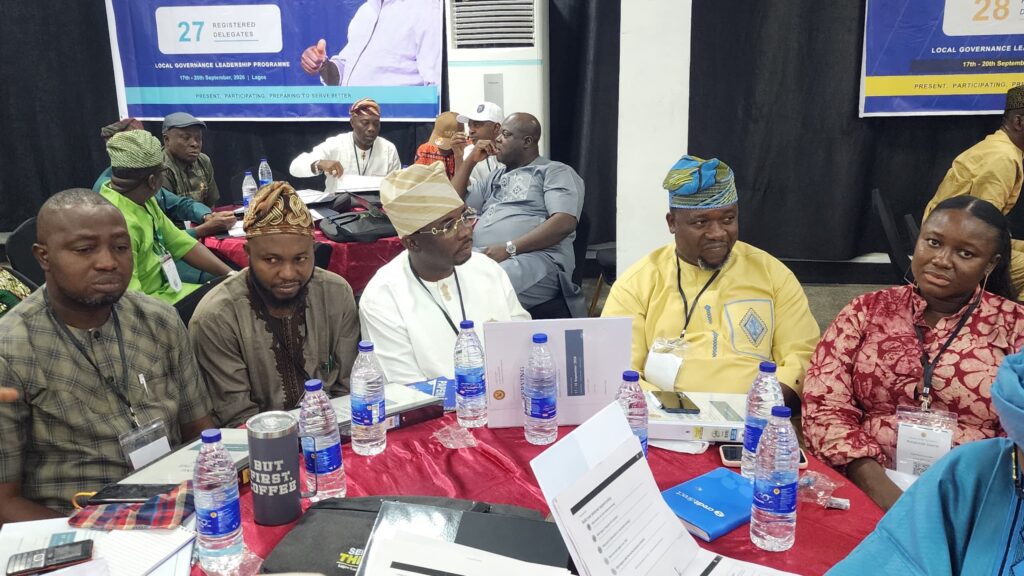
He explained that councillors have responsibilities relating to ward representation, deliberation, lawmaking and oversight, while executive officials are primarily concerned with administration, policy implementation and service delivery within their mandates.
According to Akinyemi, effective governance requires office holders to understand their respective roles and respect institutional boundaries while working together in the interest of their communities.
He also encouraged constructive relations between the executive and legislative arms, noting that legislative independence should coexist with responsible oversight, just as executive authority should remain open to legitimate scrutiny.
Focus on Responsible Leadership
The seminar provided an opportunity for the political office holders to examine their responsibilities, strengthen their leadership skills and gain a clearer understanding of the limits and expectations attached to their various positions.
The training is expected to feature additional sessions aimed at equipping the participants with practical knowledge that can support more effective governance and representation across the six councils of Ikorodu Division.
About the Author