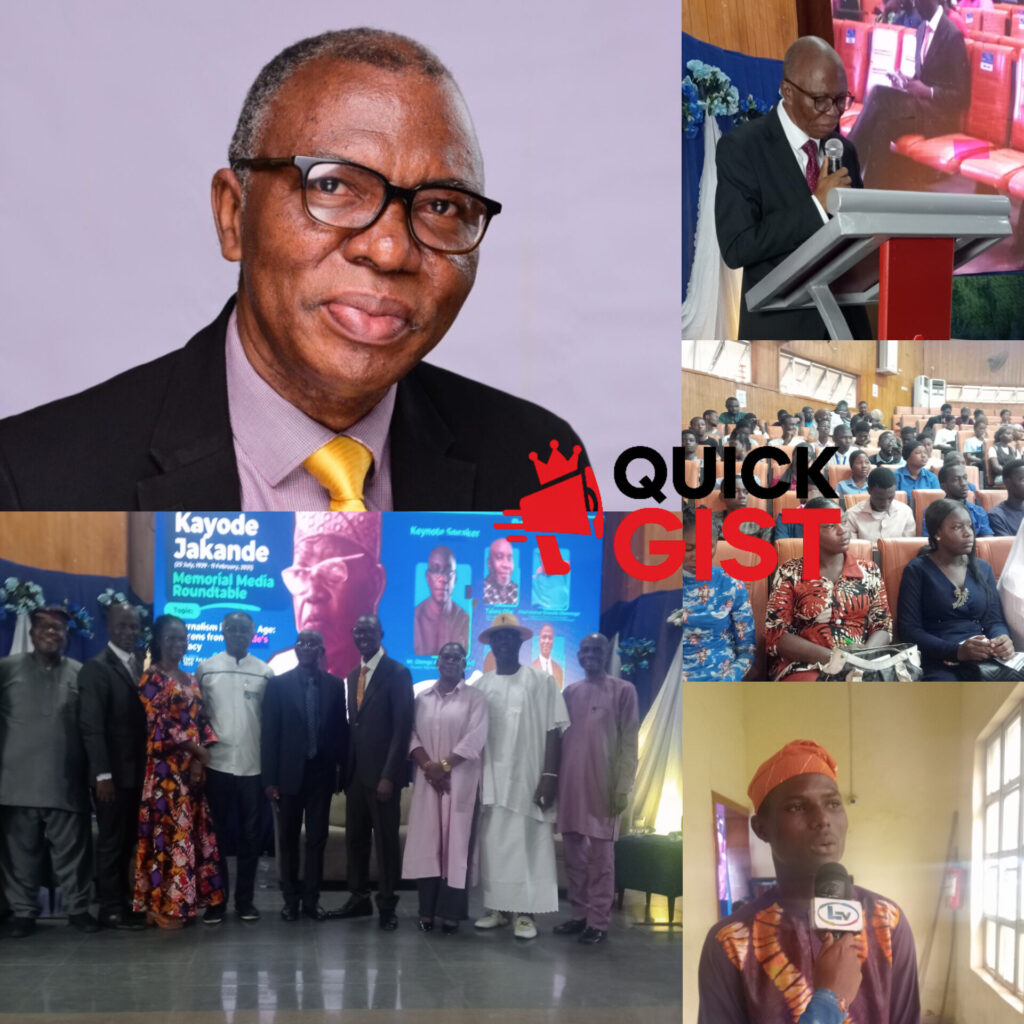
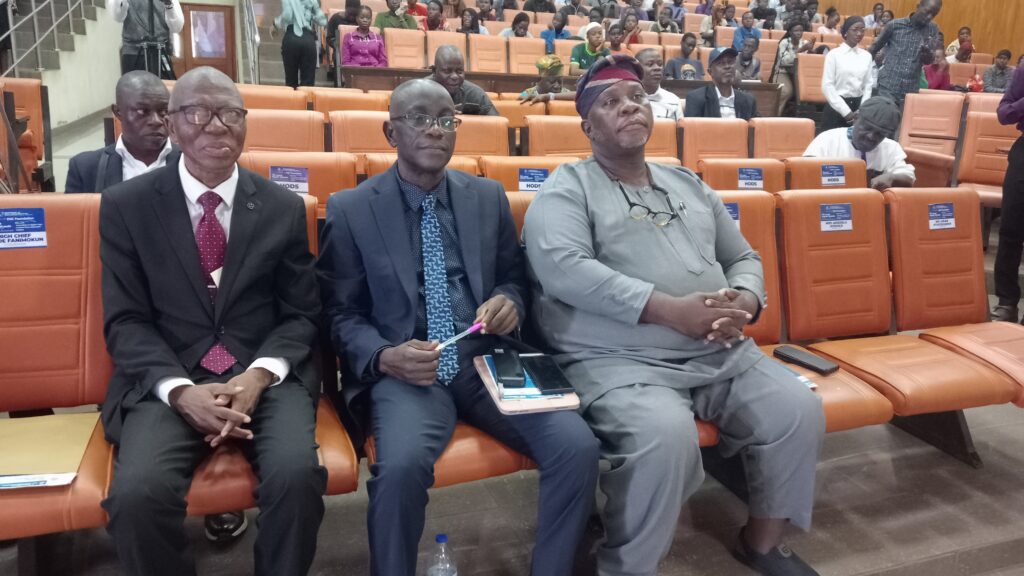
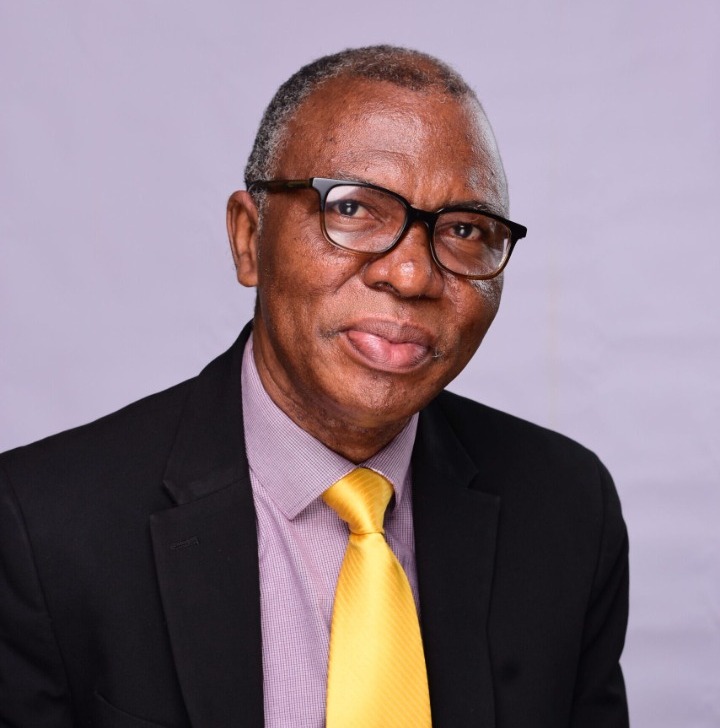
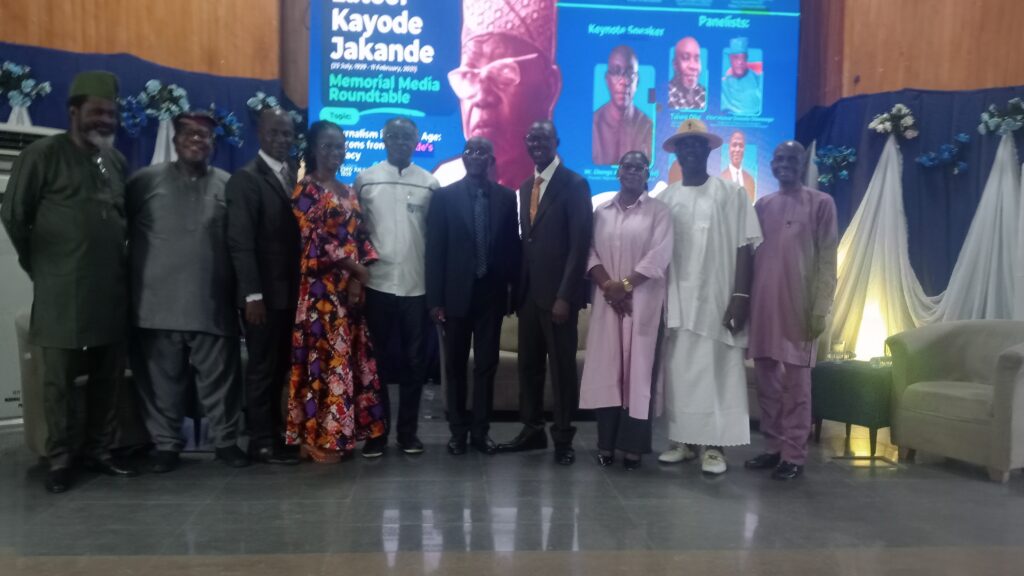
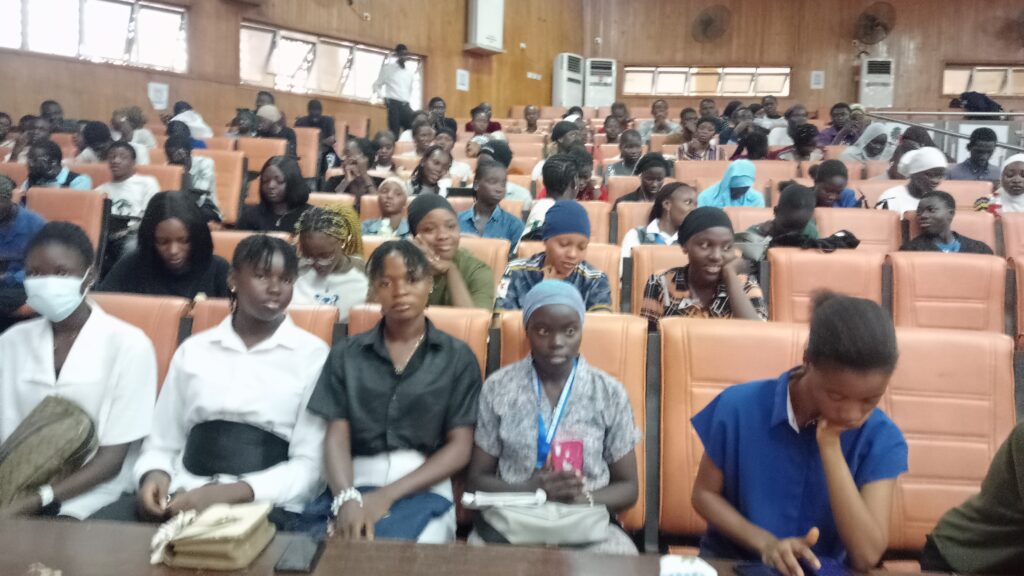
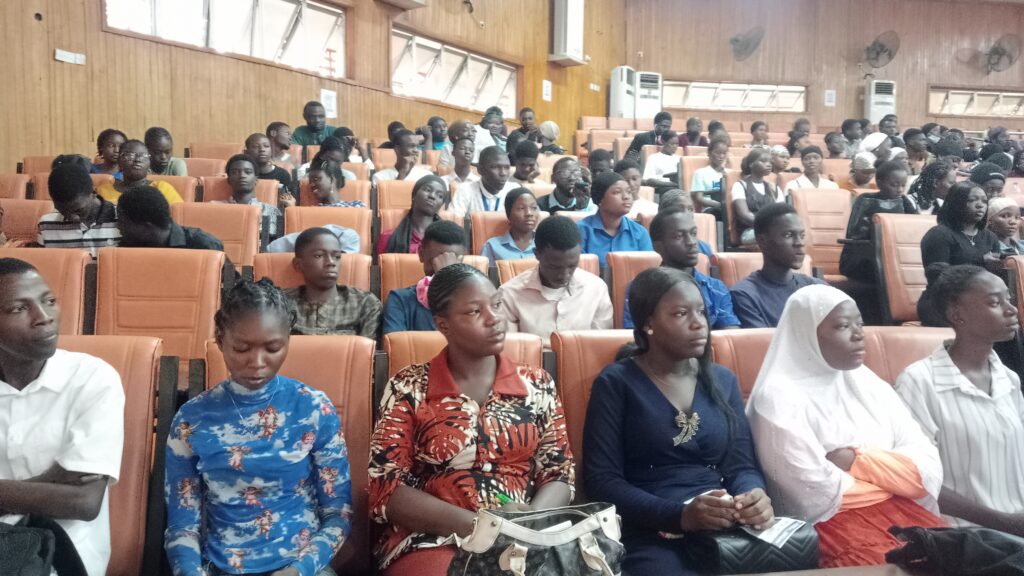
In a vibrant convergence of media professionals, scholars, and aspiring journalists, the Department of Mass Communication at Lagos State University of Science and Technology (LASUSTECH), in collaboration with the DSE Foundation, hosted a memorial media roundtable in honour of Lateef Kayode Jakande—a revered journalist, former governor, and icon of public service.
Held at the College of Agriculture Auditorium, the event was themed “Journalism in the Digital Age: Lessons for Jakande’s Legacy”, reflecting on the enduring relevance of Jakande’s values amid today’s tech-driven media landscape.
A Historic Occasion, A Timeless Message
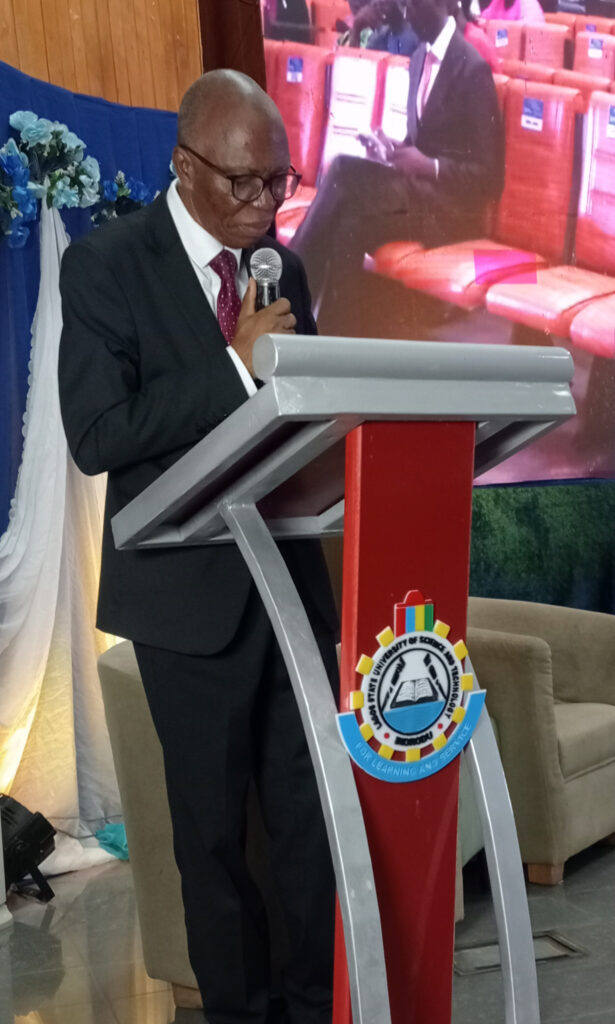
In his opening remarks, Professor Olumuyiwa Odusanya, the Vice Chancellor of LASUSTECH, described the event as “historic and timely,” noting that it marked the first of its kind in the university’s history. “It is to his credit,” the VC said, “that Lagos State had three sets of schools—morning, afternoon, and evening—and Jakande abolished that system, establishing one unified standard for education.”
Professor Oluwuyiwa Odusanya emphasized that Jakande’s legacy transcended politics, reaching deeply into education and media. “He remains a model of responsible leadership,” he said, recalling Jakande’s tenure as editor-in-chief of the Nigerian Tribune and his commitment to mass-oriented governance.
Gbenga Adefaye’s Stirring Keynote
Delivering the keynote address, Mr. Gbenga Adefaye, Editor-in-Chief of Vanguard Newspapers and Provost of the Nigerian Institute of Journalism, painted Jakande as “a builder of futures, a cultivator of hope, a relentless advocate of the people’s right to know.”
Adefaye acknowledged that Jakande’s journalism career was under-documented, yet profound. “He mentored greats like Olusegun Osoba,” he noted, “and although his political legacies are well-recorded, his journalism journey remains a treasure trove waiting to be mined.”
He challenged modern journalists to embrace new technologies while preserving journalistic values:
“Digital platforms are today’s printing presses,” Adefaye said. “They can either mobilize for justice or mislead into chaos. It is how we use them that defines our purpose.”
Addressing the evolution of journalism, he observed that the digital era has expanded the reach of media but also ushered in challenges such as misinformation and clickbait economics. He called for a recommitment to credibility and truth, adding:
“Journalism must serve the people—especially the poor—as it does business. Credibility is still the key.”
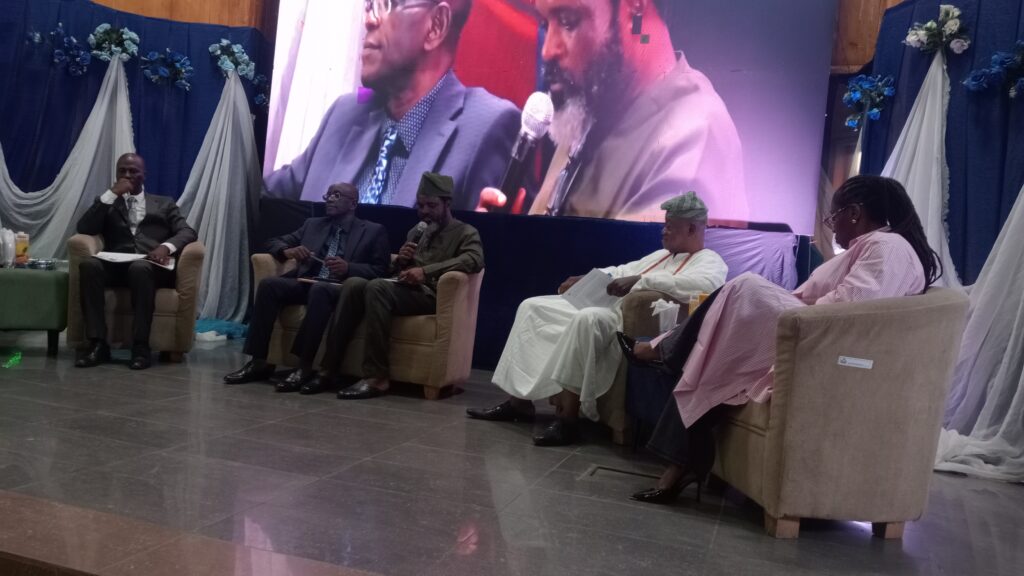
Panel Highlights: Insight from the Media Vanguard
The event also featured a robust panel discussion moderated by Dr. Jide Johnson, with an impressive lineup:
Taiwo Obe, Founder of the Journalism Clinic, urged students to “adapt to AI and social media, but never compromise on ethics.” He advocated for the integration of veteran journalists’ stories into university curricula.
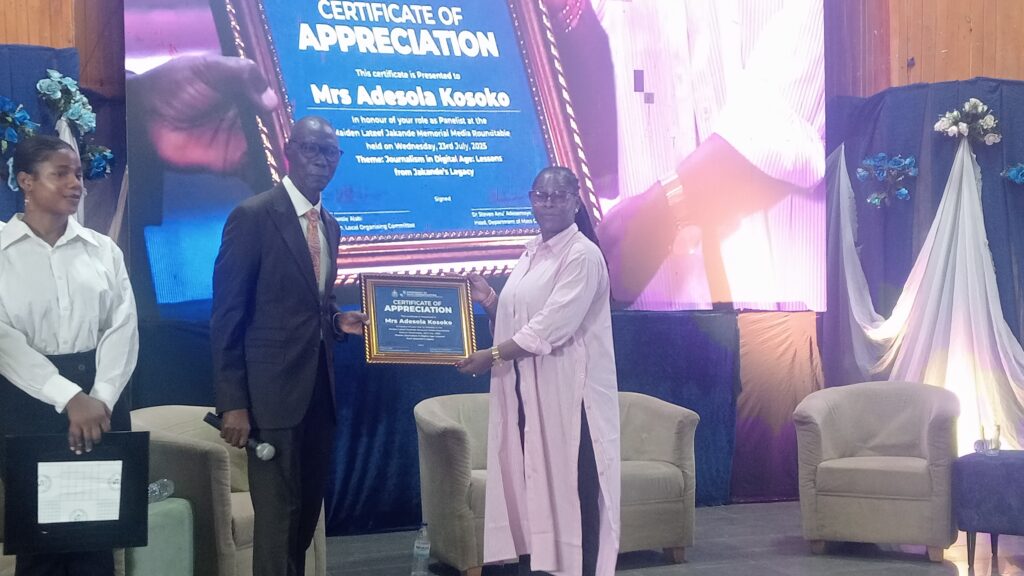
Mrs. Adesola Kosoko, MD of Lagos State Television, stressed the importance of elocution and ethical broadcasting.
“Community pays—if you do it right.”
Lekan Otufodunrin, Executive Director of Media Career Development Network, highlighted that journalism’s future lies in merging ethical standards with innovation.
“After breaking news, what’s next? Monetization—but with responsibility,” he warned.
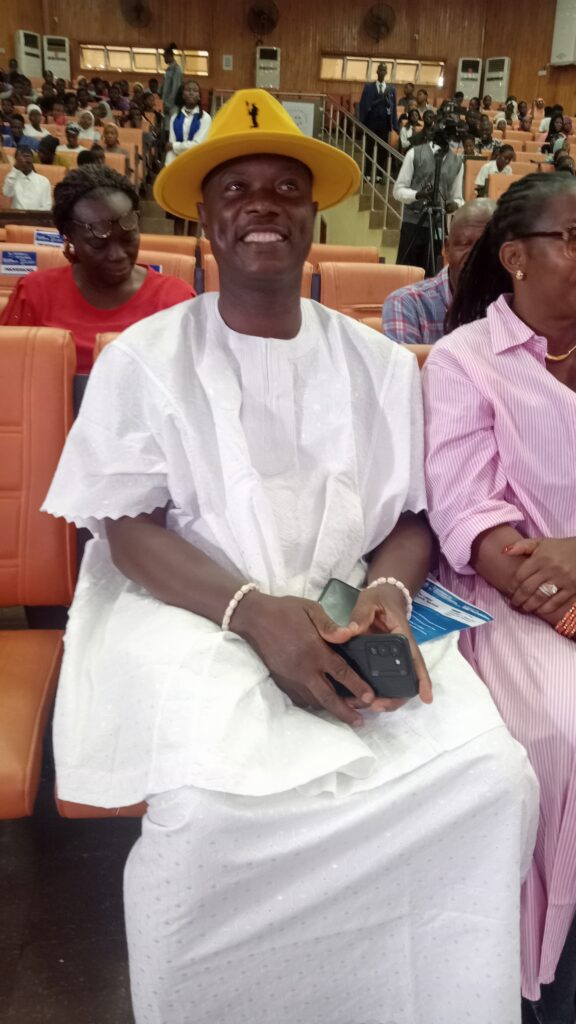
Alhaji Monzor Olowosago, veteran publisher of Oriwu Sun, reflected on the role of relevance and advertising in sustaining local journalism. He recounted:
“When I began, I criticized Ikorodu, and people didn’t buy my papers. But when I started celebrating the community, sales soared.”
His message to young journalists? “Listen to your audience. Give them what uplifts—and speak truth when needed.” She encouraged the students to start from community journalism, remarking:
Student Voices and Lessons Learned
LASUSTECH students found inspiration in the legacies and insights shared.
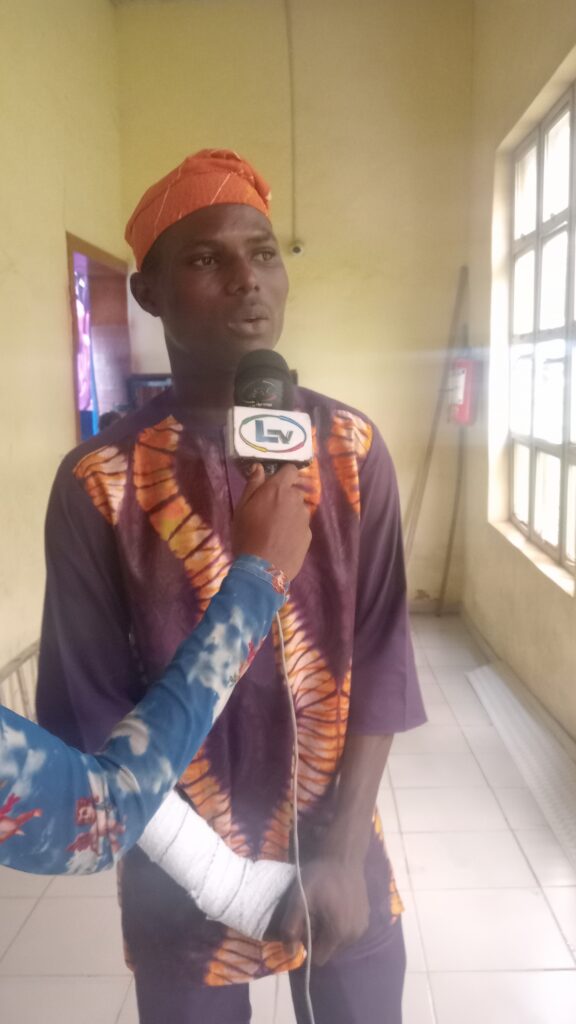
Ibrahim Habeeb, a 300-level Mass Communication student, quoted Mrs. Kosoko in saying, “Journalism is a mission,” and emphasized that “integrity is very crucial in this profession.” He added that he admired how Jakande “kept his integrity till the end.”
Another student, Abayomi Arinola, reflected that Jakande laid the groundwork for journalism to serve as a path to leadership.
“Jakande’s journey shows that journalists can be more than observers—they can become governors, and even more.”
A Call to Remember and Rebuild
As Dr. Jide Johnson succinctly put it, “Journalists remain the last hope of the common man.” He noted that more Nigerian universities are beginning to document the contributions of media pioneers, citing that he himself taught a course on media history at the University of Lagos.
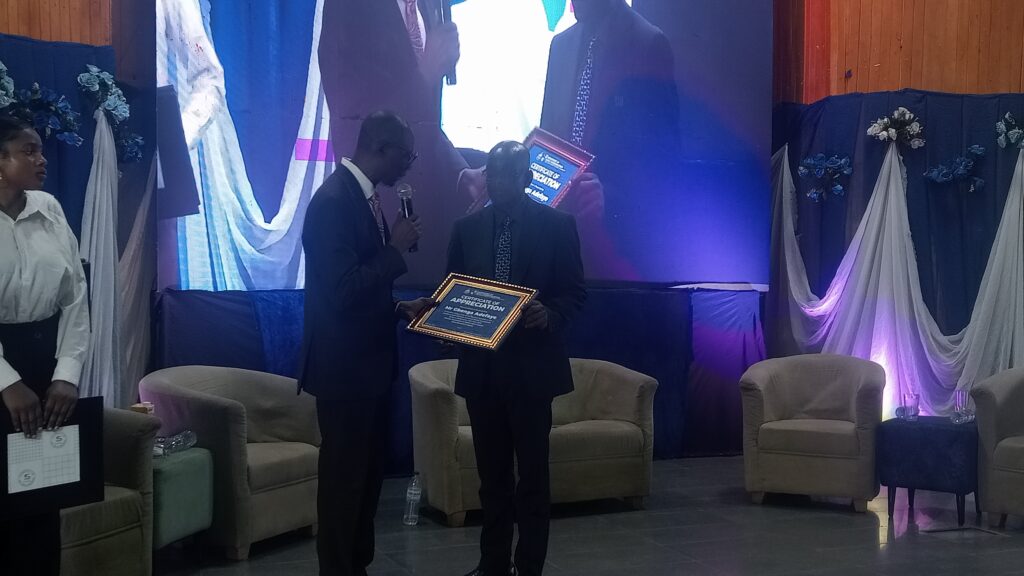
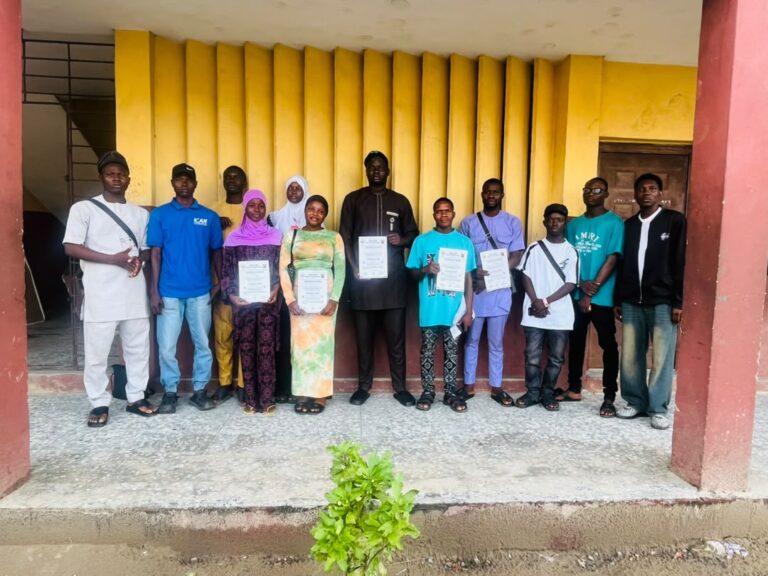
The event concluded with the presentation of certificates of appreciation to all speakers, and a vote of thanks delivered by Professor Oluwuyiwa Olamade.
Closing Thought
Jakande’s life was not just a story of governance; it was a masterclass in ethical communication. In today’s digital age, his legacy reminds us that journalism is not merely about platforms—it is about purpose. As Mr. Adefaye stated powerfully:
“The challenge is not to resist change, but to guide it. Infuse new tools with old values. Journalism must retain its core: truth, accountability, and service.
LASUSTECH positions itself at the intersection of history and innovation, events like this memorial roundtable are not only tributes to the past—they are blueprints for the future. In honoring Jakande, the university reaffirms its commitment to producing media professionals who will lead with integrity, speak with clarity, and act with purpose.